
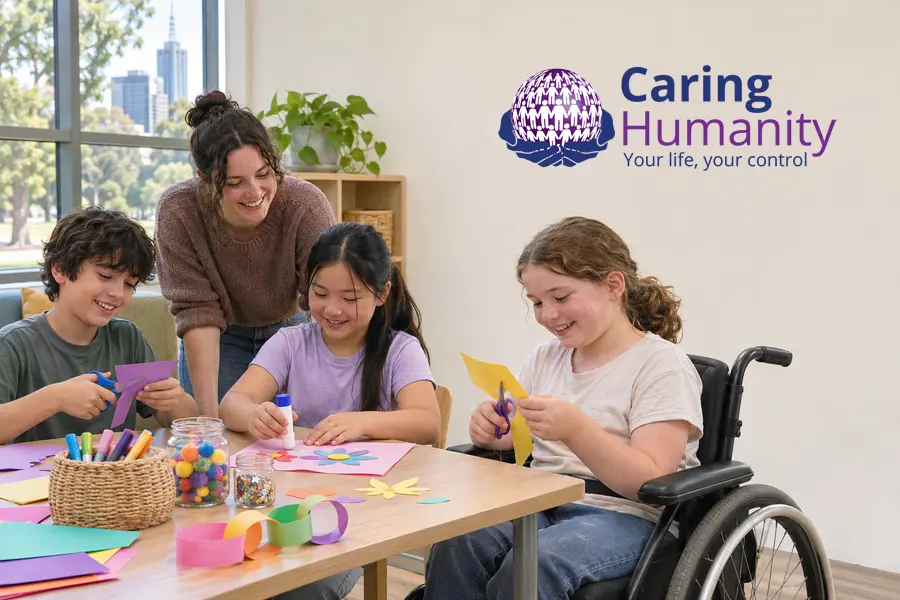
School holidays are a great opportunity for children to explore new interests, make friends and enjoy activities outside their usual routines. For children with disability, having the right assistance can make these experiences more comfortable, inclusive and enjoyable.
NDIS school holiday programs can provide opportunities to develop everyday skills, connect with others and participate in community activities with suitable assistance.
Read on to discover different holiday activities, available support options and how families can understand NDIS funding during school breaks.
Understanding NDIS School Holiday Programs
NDIS school holiday programs are organised activities that allow children and young people with disability to enjoy their school breaks in a supportive environment. These programs may include creative sessions, recreational outings, group activities and opportunities to develop everyday skills.
Depending on individual requirements, participants may receive assistance from support workers to take part in activities and interact with others.
Some common activities include:
- Arts and crafts workshops
- Cooking and baking sessions
- Indoor and outdoor games
- Group fitness and recreational activities
- Nature walks and local excursions
- Music, dance and creative activities
- Social gatherings and group outings
These experiences can help children explore their interests, develop communication skills and become more confident in different environments.
Popular NDIS School Holiday Activities for Children
School holidays provide more time for children to try different experiences without the usual school timetable. Choosing activities based on individual interests and abilities can make the break more enjoyable.
Here are some popular options families can consider.
1. Arts and Crafts Workshops
Creative activities allow children to express themselves through drawing, painting, colouring and handmade projects. These sessions can encourage imagination, concentration and fine motor skills.
Children can also share their creations with others, providing opportunities for conversation and social interaction.
2. Cooking and Baking Activities
Cooking sessions introduce children to practical everyday tasks in an enjoyable setting. Activities such as preparing simple snacks, decorating cupcakes and making sandwiches can help develop independence.
With suitable assistance, children can practise following instructions, measuring ingredients and completing simple kitchen tasks.
3. Sports and Group Fitness
Physical activities provide opportunities to stay active and interact with other children. Depending on individual abilities, programs may include simple team games, indoor exercises, dancing, yoga and recreational sports.
These sessions can encourage movement, teamwork and confidence.
4. Community Excursions and Outings
Visiting local attractions, parks, museums and community events can introduce children to new surroundings and experiences.
Supported outings also provide opportunities to practise communication, follow routines and participate in community activities.
5. Games and Social Gatherings
Board games, movie days, group challenges and social events can help children develop friendships and enjoy shared experiences.
These activities encourage turn-taking, communication and cooperation in a welcoming environment.
Benefits of Disability School Holiday Programs
A structured holiday program can offer more than entertainment. It can provide valuable opportunities for children to develop skills, explore their interests and connect with their communities.
Here are some important benefits.
1. Improved Social Skills
Group activities encourage children to communicate, share ideas and interact with others. Regular opportunities to participate can help build confidence when meeting new people and forming friendships.
2. Greater Independence
Simple activities such as cooking, organising personal belongings and following daily routines can encourage children to become more independent.
With appropriate guidance, participants can practise these skills in a supportive environment.
3. Increased Confidence
Trying new activities and completing small tasks can give children a sense of achievement. These experiences may encourage them to explore different interests and become more comfortable in unfamiliar situations.
4. Opportunities for Physical Activity
Movement-based activities help children stay active during school breaks. Games, dance sessions, outdoor play and group exercises can make physical activity enjoyable.
5. Meaningful Community Participation
Visiting local places and attending group events can help children become familiar with their surroundings. These experiences encourage participation beyond the home and provide opportunities to connect with the wider community.
How to Choose the Right NDIS School Holiday Program
Every child has different interests, abilities and assistance requirements. Choosing a suitable program involves looking beyond the activity schedule and considering the environment and level of assistance available.
Here are some factors families should consider.
1. Suitable Activities
Look for activities that match your child’s interests, abilities and personal goals. A good program should offer opportunities to participate without creating unnecessary pressure.
2. Experienced Support Workers
Check if the team has experience supporting children with different disability-related needs. Staff should understand individual requirements and provide appropriate assistance throughout the activities.
3. Safe and Accessible Environment
Consider the location, facilities, group size and accessibility arrangements. Children should have access to an environment that accommodates their needs and allows them to participate comfortably.
4. Individual Support Requirements
Some children may need assistance with communication, mobility, personal care or sensory needs. Discuss these requirements with the provider before enrolling.
5. Flexible Scheduling
Families may need assistance for selected days or throughout the school break. Look for providers that can discuss suitable arrangements based on individual circumstances and service availability.
How Caring Humanity Supports Community Participation
Finding suitable activities during school holidays can help children stay connected, explore their interests and develop practical skills. Having the right assistance can also make group experiences more accessible and enjoyable.
Caring Humanity offers NDIS support services focused on individual needs, community participation and personal development.
Its group and centre-based activities include:
- Cooking and Life Skills Classes: Opportunities to practise everyday tasks and develop practical living skills.
- Group Fitness and Wellness: Activities such as exercise groups, yoga and relaxation sessions.
- Excursions and Outings: Opportunities to visit local attractions and participate in community events.
- Games and Social Gatherings: Group experiences that encourage friendships, communication and social interaction.
The team also provides personalised assistance to help participants engage in activities that align with their interests and NDIS goals.
Why Choose Caring Humanity?
Choosing the right NDIS provider can make a difference to the quality of assistance children receive during school holidays and throughout the year.
Caring Humanity focuses on providing individualised services that encourage participation, confidence and independence.
- Personalised Support: Services tailored to individual needs, preferences and NDIS goals.
- Experienced Team: Skilled support workers who understand different assistance requirements.
- Flexible Scheduling: Support arrangements based on individual circumstances and availability.
- Community Participation: Opportunities to connect with others through social and recreational activities.
- Commitment to Inclusion: A welcoming approach that values individual abilities and preferences.
Families can contact Caring Humanity to discuss available services and find out how its team can assist with community participation and everyday support.
Final Thoughts
School holidays are a valuable time for children to explore new activities, develop skills and spend time with others. With suitable assistance, children with disability can enjoy meaningful experiences and become more confident in their everyday lives.
Caring Humanity offers community participation and group activities that encourage social connections and personal development. Contact the team to discuss available services and suitable support arrangements.
FAQs About NDIS School Holiday Programs
1. What activities are included in NDIS school holiday programs?
Activities may include arts and crafts, cooking, group games, fitness sessions, social gatherings and community outings. The available options depend on the provider and individual support requirements.
2. Who can access NDIS school holiday programs?
NDIS participants can access eligible disability-related activity supports when these meet their plan requirements and funding criteria. Families should discuss their child’s needs and available funding with their provider.
3. Does NDIS pay for school holiday programs?
The NDIS does not generally cover standard vacation care fees. However, it may fund eligible disability-related assistance that helps a participant take part in community and recreational activities.
4. Can children with different support needs to join holiday programs?
Yes. Some providers offer activities for participants with different abilities and assistance requirements. Families should discuss accessibility, group arrangements and individual support needs before enrolling.
5. Are NDIS school holiday programs available in Melbourne?
Yes. Melbourne has providers offering disability-focused holiday activities and community participation programs. Families should check current schedules, locations and availability before making arrangements.
