
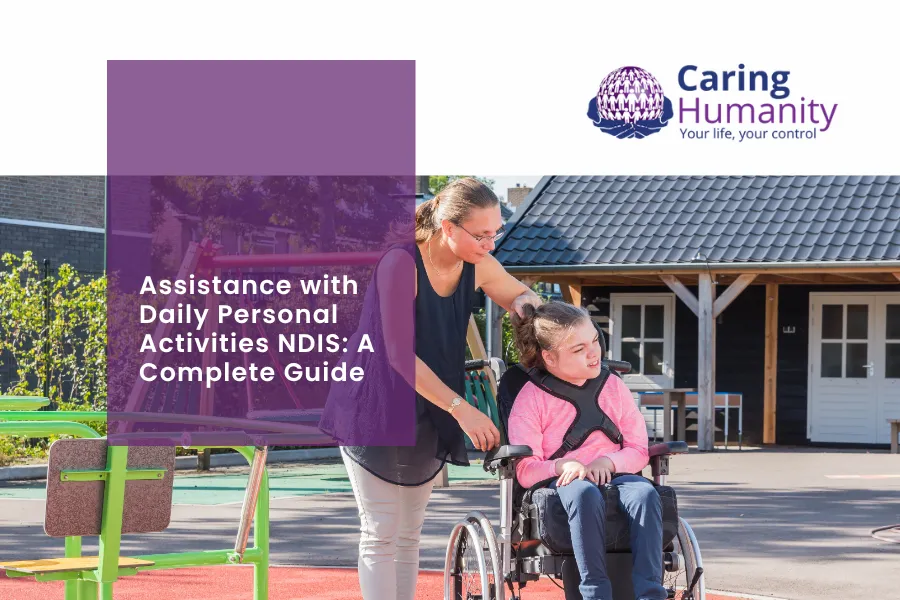
Managing personal care and everyday routines can sometimes be difficult when a disability affects your ability to complete certain activities independently. The right support can make these tasks more manageable while helping you maintain dignity, comfort and control over your daily routine.
Keep reading to learn more about Assistance with Daily Personal Activities NDIS and the personal care support available to eligible participants.
Understanding Assistance with Daily Personal Activities NDIS
Assistance with Daily Personal Activities refers to support that helps eligible NDIS participants manage personal tasks they may find difficult because of their disability. The assistance can be provided according to the person’s individual needs, abilities and usual routine.
This support can help with different aspects of personal care and everyday activities. The aim is to provide practical assistance while respecting the participant’s privacy, preferences and independence. The level of support can also differ from person to person depending on their circumstances.
Types of Personal Care Activities Covered
Personal care can involve several activities that form part of a participant’s everyday routine. The support provided should reflect the person’s specific needs and the level of assistance they require.
-
Personal Hygiene
Support with activities such as showering, bathing and maintaining personal hygiene can help participants manage their routine comfortably and with dignity.
-
Grooming
Assistance with grooming can support participants who have difficulty managing activities such as hair care, shaving or other personal grooming routines independently.
-
Dressing
Participants may receive assistance with getting dressed, changing clothes and managing clothing routines when physical or other disability related challenges make these tasks difficult.
-
Toileting
Appropriate assistance with toileting can help participants manage personal care routines safely while maintaining privacy, comfort and respect throughout the process.
-
Mobility Support
Some participants may need assistance moving during personal care routines when mobility limitations make certain activities difficult to complete without support.
-
Daily Routines
Support can help participants maintain regular personal routines and complete everyday activities in a way that suits their abilities and individual preferences.
Benefits of NDIS Personal Care Support
The right personal care support can make everyday activities easier while giving participants the assistance they need to remain involved in their own routines.
-
Greater Independence
Appropriate assistance can help participants take part in personal activities at their own level, supporting independence instead of unnecessarily taking over tasks they can manage themselves.
-
Greater Confidence
Having suitable support can make challenging personal activities feel more manageable, helping participants approach everyday routines with greater confidence and comfort.
-
Maintained Dignity
Personal care involves private routines, so respectful assistance is important. Appropriate support can help participants maintain their dignity, privacy and personal preferences during everyday activities.
-
Consistent Routines
Regular assistance can help participants maintain familiar routines and complete important personal activities at suitable times throughout the day.
-
Choice and Control
Participants can communicate their preferences about how support is provided, helping create a routine that feels comfortable, respectful and suited to their individual needs.
Personal Care and Household Task Support
Personal care and household tasks both relate to everyday life, but they involve different types of assistance.
- Personal care: This focuses on activities directly involving the participant, such as hygiene, grooming, dressing and toileting.
- Household tasks: These relate to maintaining the home and may include cleaning, laundry, meal preparation or grocery shopping, depending on individual support needs.
- Different support needs: A participant may require personal care, household assistance or both as part of their broader daily support.
- Individual requirements: The type of assistance should reflect the participant’s circumstances, abilities and approved support.
Understanding this distinction can make it easier to identify the type of assistance that may be appropriate for everyday needs.
Accessing Assistance with Daily Personal Activities NDIS
Finding suitable support starts with understanding the participant’s individual needs and the assistance required for their everyday routine.
- Identify your support needs: Consider the personal activities where you require assistance because of your disability.
- Review your NDIS plan: Check out the support and funding available in your plan.
- Discuss your requirements: Speak with your support coordinator, plan manager or relevant NDIS contact if you need help understanding your options.
- Research suitable providers: Look for a provider that offers the type of personal care assistance you require.
- Discuss your preferences: Talk about your routine, support requirements and personal preferences before commencing support.
- Review the arrangement: Keep communication open so your support can be discussed if your needs change.
How to Choose the Right NDIS Daily Personal Activities Support Provider
Choosing a provider for personal care is an important decision because the support may involve private routines and regular interaction with support workers. Consider the provider’s approach, experience, communication and ability to meet your individual needs before getting started.
-
Understanding of Your Needs
A suitable provider should take time to understand your daily routine, abilities, support requirements and personal preferences. This helps ensure the assistance provided is relevant to the activities you actually need help with.
-
Respect for Dignity and Privacy
Personal care can involve sensitive activities, so respectful communication and privacy should be priorities. Support workers should provide assistance appropriately while allowing you to maintain dignity and as much independence as possible.
-
Suitable Support Options
Check that the provider offers the specific type of assistance you require. This may include support with personal hygiene, grooming, dressing, toileting, mobility or other daily personal activities relevant to your circumstances.
-
Clear Communication
Good communication helps establish expectations before support begins. A provider should make it easy to discuss your routine, preferences, support requirements and any changes that may affect the assistance you receive.
-
Participant Choice and Control
You should have an active role in decisions about your support. Consider providers that listen to your preferences and involve you in discussions about how personal activities are supported.
-
Suitable Support Workers
The relationship with your support worker can have a significant impact on your experience. Ask how the provider matches support workers with participant needs, preferences and communication styles to create a comfortable support arrangement.
Why Choose Caring Humanity?
Caring Humanity provides NDIS support with a focus on individual needs, dignity, respect and independence. Its personal care support is designed to assist participants with everyday routines while recognising their preferences and circumstances. The team takes a person centred approach, helping participants receive practical assistance that fits into their daily lives.
- Person centred approach
- Personalised support
- Respect for dignity and choice
- Focus on independence
- Experienced support team
FAQs About Daily Personal Activities NDIS
Can I choose who provides my personal care support?
Participants can consider different providers and discuss their preferences before starting support. Finding someone who understands your needs and makes you feel comfortable is an important part of the process.
Can my personal care needs to change over time?
Yes. A participant’s abilities, circumstances and daily requirements can change. It is important to discuss changes in support needs with the relevant people involved in managing their NDIS supports.
Do I need support every day?
Not necessarily. The frequency of assistance depends on individual circumstances and the type of support required. Some people may need regular assistance, while others may need help with specific activities.
Can personal care support be provided at home?
Personal care assistance can be provided in a participant’s usual living environment when this is appropriate and forms part of their support arrangements.
What should I discuss with a personal care provider before starting?
It can be helpful to discuss your daily routine, the activities you need assistance with, your preferences, communication needs and any other considerations that may affect how support is provided.
Conclusion
Assistance with Daily Personal Activities NDIS can provide practical help with important personal routines while allowing participants to remain involved in their everyday lives. The right level of support can make personal activities more manageable and help maintain dignity, confidence and independence.
Finding a provider that understands your needs and respects your preferences can make a meaningful difference to your experience. Caring Humanity can support participants with personalised personal care assistance designed around their individual routines and requirements.
