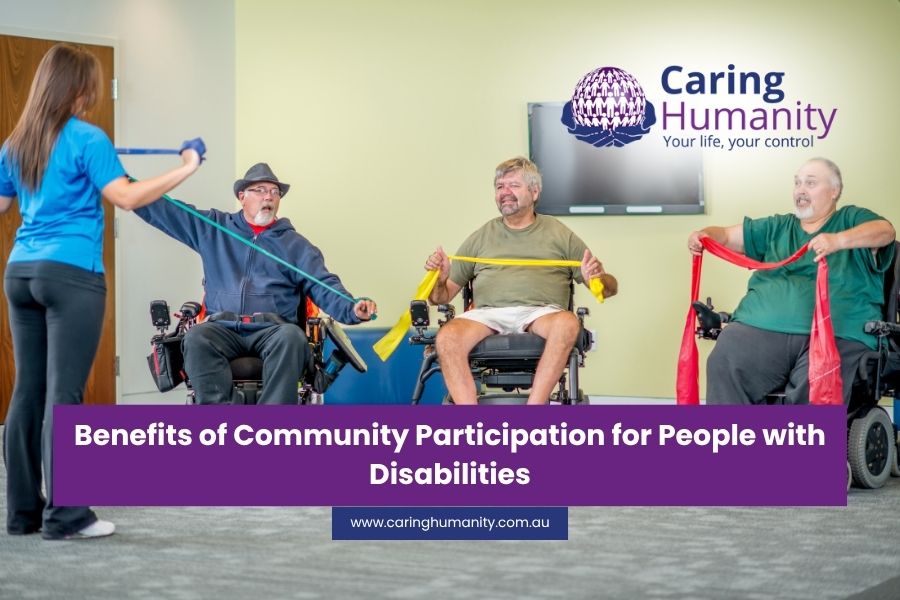
Participation in the community is not just going out. It is all about relating to others, getting to know new happenings, and living life more fulfilled. Through proper encouragement, individuals with disabilities would feel more assured, self-reliant, and joyful, and the entire society would be a better place.
It is not simply a question of being there. Authentic participation implies being part of it, heard, and making a choice. It is all about individuals being capable of relating to others, giving their talents and having chances to grow and become self-sufficient.
Many people with disabilities can feel lonely or leave out.
Being part of community activities allows individuals to get acquainted with others, friends, and feel that they are a part of the community.
Mental health can be improved by belonging to society. It provides individuals with a reason to wake up, go out, and do something fun.
When one engages in things that he or she enjoys, he or she tends to be less stressed, anxious, and happier. A sense of meaning and connectedness is happiness and emotional harmony.
Most community activities entail some form of movement, e.g. walking or dancing, gardening, or sports. These exercises have the capacity to keep an individual fit, enhance strength, and increase energy levels.
Any physical activity may help a lot even in small portions. It is beneficial in mobility, improved sleep, and well-being, which results in their more active and independent way of life.
Taking part in community life helps people learn and practise new skills.
When individuals participate in societal efforts, they get to know what they can do. Attempting something new and winning creates self-confidence and self-belief.
In the course of time, people become more confident in making a choice, trying something new, and sharing their ideas. This trust can be transferred to other spheres of life, making people more powerful and independent.
Community life assists people in exercising and doing things independently. It could be an independent trip, a group of people, and a lack of family support or being able to complete some minor tasks such as purchasing the tickets or placing an order.
These mini measures assist individuals to have freedom and command of their personal lives. Autonomy makes everyday life more fruitful and pleasant.
The other opportunities can be opened with the help of community participation.
When individuals volunteer or attend local events, they tend to get acquainted with new individuals who would lead them to training, employment, or other positions within the community.
Such experiences assist individuals to develop skills, confidence, and feel proud about their contribution. They also demonstrate to employers that persons with disabilities do have talents to sell.
Anyone would like to believe that they make a difference. Assisting others or being in a group makes people feel their purpose.
Individuals with disabilities come to their communities with innovation, compassion, and novel ideas. They transform neighbourhoods into better, inclusive, and diverse places to live in due to their contributions. Volunteering also makes a person feel valued and necessary.
Their participation in community life makes people with disabilities understood and accepted by others. It shatters walls and refutes unjust notions of handicapping.
The more one feels that inclusion is being practiced, the more open and welcoming society will be. This benefits all people – inclusion is healthy for the entire society.
This results in the improvement of the quality of life due to all of these benefits, friendship, confidence, health, and learning.
The involvement of the community makes people feel happier, more connected, as well as more in charge of their lives. It enriches life, makes life more interesting and fuller of possibilities.
At Caring Humanity, we’re committed to supporting individuals on this journey. We believe that when everyone is included, our whole community becomes stronger, kinder, and more caring.
Because true inclusion means more than support, it means belonging. And that’s what Caring Humanity is all about.