
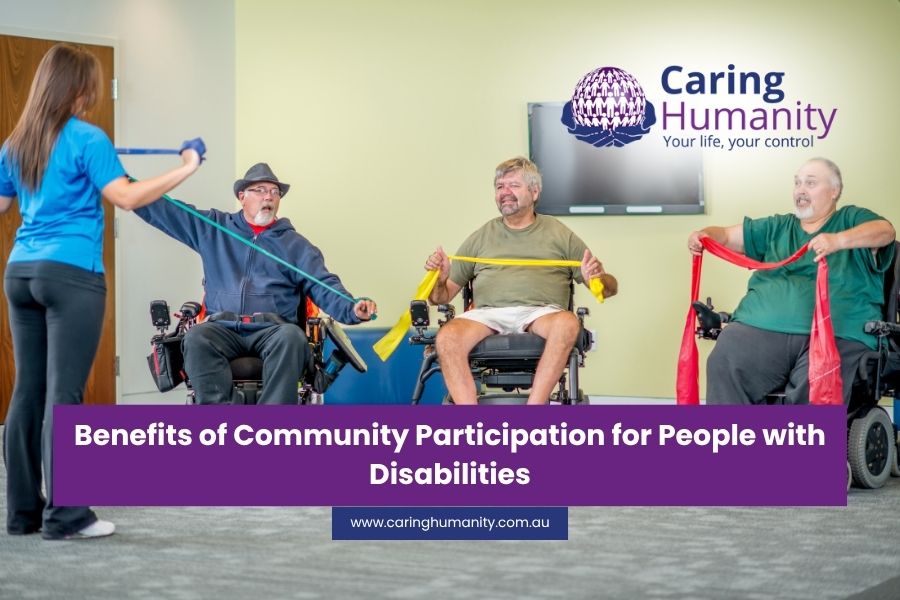
Everybody has a right to belong to his or her society. The inclusion process, sense of being important, and participating in normal life processes can go a long way with people with disabilities.
What Is Community Participation?
Community participation is involvement in the day-to-day life of the community- it could be social, volunteering, sports, learning programs, arts, religious services or community events.
NDIS Social and Community Participation Support in Canberra: Disability Activities
1. Making Friends and Feeling Included
Life is better and more fulfilling when there are friends to interact with or even spend time with. A sense of acceptance instills confidence in one and makes them feel that they are important members of society.
2. Better Mental Health and Happiness
3. Staying Active and Healthy
4. Learning New Skills
- Talking and listening to others
- Managing time or money
- Travelling safely on public transport
- Learning to cook, paint, or play music
These skills build independence and confidence. They also help people feel more ready for future opportunities, such as study, volunteering, or work.
5. Building Confidence and Self-Esteem
6. Becoming More Independent
7. Finding Opportunities for Work or Volunteering
8. Having Purpose and Giving Back
9. Changing Attitudes and Building Inclusion
10. Living a Happier, More Fulfilling Life
Conclusion
Community participation gives people with disabilities the chance to connect, grow, and live life to the fullest. It helps people build friendships, stay healthy, gain confidence, and feel proud of their abilities.
Frequently Asked Questions
What is NDIS community participation in Canberra?
NDIS community participation in Canberra involves activities that help people with disabilities engage with their local area. It focuses on building social connections, skills, and confidence. Participants join programs suited to their goals and abilities. These supports promote meaningful involvement in everyday life.
How does NDIS social and community participation support benefit participants?
NDIS social and community participation support encourages individuals to take part in group events, classes, and community programs. It helps reduce isolation and improve wellbeing. Support workers guide participants through activities safely and confidently. This support boosts social skills and personal growth.
What kinds of disability community activities are offered in Canberra?
Disability community activities in Canberra include art sessions, music groups, outdoor events, sports, and educational workshops. Activities are designed to be inclusive and accessible for everyone. Participants can choose based on interests and abilities. These activities encourage friendship and fun learning.
Who is eligible for community participation programs under the NDIS?
People with an active NDIS plan that includes community participation funding can access these programs. Eligibility is based on individual goals and support needs. A support coordinator can help identify suitable activities. Funding ensures participants can take part without financial strain.
How can I find suitable community participation activities in Canberra?
Start by reviewing your NDIS plan to check available funding for participation supports. Speak with your support coordinator or service provider for local options. Providers can recommend programs that match your interests. Many community centres offer schedules and help choose activities.
Can community participation improve independence?
Yes, participating in group and community activities helps build confidence and life skills. Through regular involvement, participants learn communication, social, and teamwork skills. These experiences support greater independence in daily routines. Community involvement also fosters personal achievement and wellbeing.
How often can I join NDIS community participation activities?
The frequency depends on your NDIS plan and the support funding available. Some participants join activities weekly, while others attend monthly or as they choose. Your support coordinator can help schedule activities to match your goals. Flexibility ensures programmes fit your lifestyle.
